


Per gli imprenditori e le società commerciali che valutano il business della distribuzione di attrezzature per parchi divertimento, una domanda domina ogni conversazione iniziale
Quanto margine di profitto rimane effettivamente disponibile una volta detratti i costi di trasporto, i dazi doganali, la certificazione, gli accantonamenti per la garanzia e le spese di vendita?
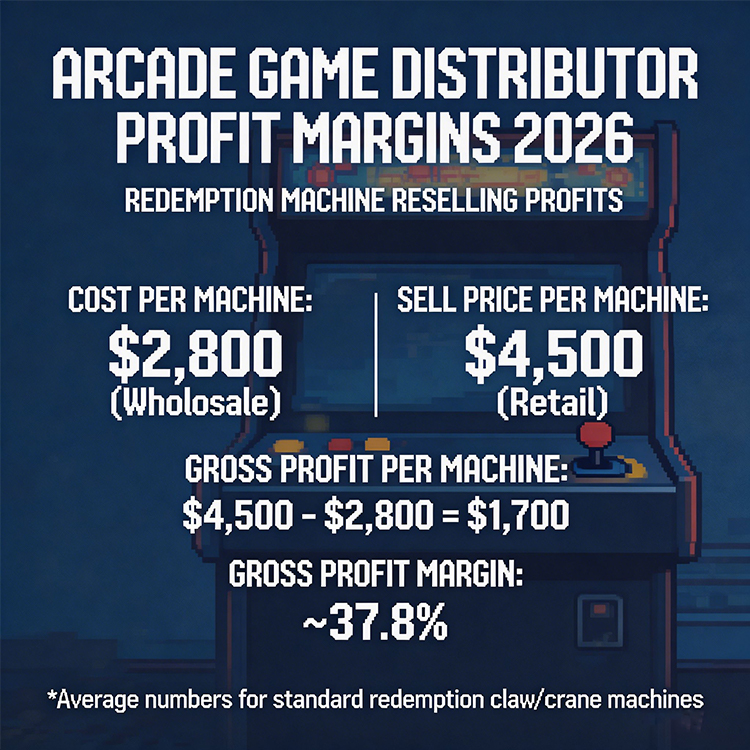
Questa guida risponde a tale domanda con dati concreti, tratti dai prezzi all'ingrosso dei produttori, dai dati di vendita al dettaglio degli acquirenti finali e dall'economia operativa dei distributori regionali attivi nei corridoi del Medio Oriente (MENA) e dell'America Latina (LATAM). È pensata per gli acquirenti che stanno valutando se diventare distributori diretti, quale categoria di apparecchiature offre il margine di profitto più elevato e come strutturare un'attività di rivendita sostenibile che si espanda oltre un singolo container di merce.
—
Il quadro macroeconomico: perché i margini di distribuzione si mantengono stabili nel 2026
Prima di analizzare i numeri, è importante considerare il lato della domanda. Secondo Grand View Research, il mercato dei centri di divertimento al coperto degli Emirati Arabi Uniti ha generato 408,2 milioni di dollari nel 2024 e si prevede che raggiungerà i 649,7 milioni di dollari entro il 2030, con un tasso di crescita annuo composto superiore all'8%. Mercato dei centri di intrattenimento per famiglie in Arabia Saudita Il mercato valeva 2,34 miliardi di dollari nel 2024 e si prevede che raddoppierà quasi, raggiungendo i 4,29 miliardi di dollari entro il 2030. In America Latina, Messico e Brasile continuano ad espandere i centri di intrattenimento per famiglie (FEC) all'interno dei centri commerciali, con tassi di crescita a una cifra elevata, nonostante le turbolenze tariffarie.
Questo significa che le nuove aperture di centri di accoglienza per famiglie (FEC) – e quindi i nuovi ordini di acquisto di attrezzature – non stanno rallentando in nessuna delle due regioni. I distributori che instaureranno rapporti con le fabbriche nel 2026 si posizioneranno per garantire un ciclo di produzione quinquennale.
—
I tre modelli di distribuzione (e la loro realtà marginale)
Non tutti i rivenditori guadagnano lo stesso margine. Il margine dipende dal modello di business adottato.
Modello 1 — Rivenditore commerciale (margine lordo 15% – 22%)
Ti rifornisci da un produttore (o, più comunemente, da un altro agente commerciale), aumenti il prezzo e rivendi sul mercato locale senza bisogno di magazzino.
- Capitale richiesto: Basso — operi con i depositi dei clienti.
- Realtà marginale: 15–22%, ma dopo le spese di spedizione, le commissioni del broker doganale e la consegna dell'ultimo miglio, il margine netto spesso si riduce a 8–12%.
- Rischio: I prezzi sono bassi, ma non hai alcun controllo. Qualsiasi concorrente con lo stesso fornitore può offrire un prezzo inferiore.
Modello 2 — Distributore di magazzino (margine lordo 28% – 40%)
Acquisti in container completi, tieni le scorte in un magazzino locale e vendi a centri di intrattenimento per famiglie, sale giochi, hotel e ristoranti per famiglie con tempi di consegna brevi.
- Capitale richiesto: Livello medio: in genere da 80.000 a 200.000 dollari per un inventario iniziale e l'allestimento del magazzino.
- Realtà marginale: 28–40% lordo. Il margine netto dopo l'affitto del magazzino, gli accantonamenti per garanzie e un piccolo team di vendita si attesta in genere a 18–25%.
- Rischio: Moderato. Si assume il rischio di magazzino, ma si acquisisce potere di determinazione dei prezzi perché gli acquirenti finali apprezzano "macchine disponibili oggi, installate la prossima settimana".
Modello 3 — Distributore territoriale esclusivo / Master Dealer (margine lordo 35% – 55%)
Si stipula un accordo formale di esclusiva territoriale con il produttore. Ci si impegna a raggiungere determinati obiettivi di volume annuali in cambio del diritto esclusivo di vendere quel marchio in un paese o in una regione specifici.
- Capitale richiesto: Elevato: in genere da 250.000 a 600.000 dollari per l'inventario iniziale, lo showroom e i tecnici sul campo.
- Realtà marginale: Il ricavo lordo è di 35–55% per gli SKU standard, e ancora più alto per le unità personalizzate/OEM per le quali non è possibile verificare il prezzo. I margini netti di 22–35% sono realistici.
- Rischio: Il prezzo più alto, ma anche il più difendibile. L'esclusiva impedisce ai concorrenti di entrare nel tuo territorio e ti garantisce il controllo dei prezzi a lungo termine.
—
Margine di profitto dal commercio all'ingrosso al dettaglio: un'analisi dettagliata per categoria.
Il margine disponibile non è uniforme in tutto il catalogo. Tre categorie offrono vantaggi economici fondamentalmente diversi.
Categoria A — Giochi di abilità con riscatto biglietti
- Vendita all'ingrosso (FOB Guangzhou): Da 1.800 a 4.500 dollari USA per unità
- Costo totale (MENA/LATAM, tutto incluso): Da 2.400 a 6.000 dollari USA
- Vendita al dettaglio tipica per l'utente finale: Da 3.800 a 9.500 dollari USA
- Margine lordo: 35% – 45%
Questi prodotti rappresentano la spina dorsale del catalogo di qualsiasi distributore in termini di volume. Gli operatori dei centri di intrattenimento per famiglie li riordinano costantemente perché sono quelli che generano maggiori profitti sul mercato.
Categoria B — Macchine a spinta di monete (a giocatore singolo e multigiocatore)
- Vendita all'ingrosso (FOB): Da 2.500 a 6.800 dollari USA per unità
- Costo di sbarco: Da 3.200 a 8.500 dollari USA
- Vendita al dettaglio tipica per l'utente finale: Da 5.500 a 14.000 dollari USA
- Margine lordo: 38% – 48%
I distributori automatici a gettoni offrono i margini di profitto lordo più elevati nel catalogo standard perché gli acquirenti finali sanno che generano il maggior ricavo per metro quadro. Gli acquirenti sono meno sensibili al prezzo quando il ritorno sull'investimento è rapido e comprovato.
Categoria C — Armadietti Anchor/Multigiocatore
- Vendita all'ingrosso (FOB): Da 6.500 a 16.000 dollari USA per unità
- Costo di sbarco: Da 8.500 a 20.000 dollari USA
- Vendita al dettaglio tipica per l'utente finale: Da 14.000 a 35.000 dollari USA
- Margine lordo: 40% – 55%
Le macchine di punta (macchine multigiocatore di grande formato con sistema di premi, simulatori sportivi con sistema di premi) garantiscono il margine di profitto assoluto più elevato e sono i prodotti di punta che si aggiudicano i contratti con i centri di intrattenimento per famiglie. Una singola vendita può generare l'intero utile e la perdita mensile del distributore.
Categoria D — Ricambi e componenti aftermarket
- Realtà marginale: 60% – 85%
Questa è la miniera d'oro nascosta della distribuzione. I componenti rappresentano solo 10-151 TP3T di fatturato, ma spesso generano 30-401 TP3T di profitto netto perché i costi logistici sono minimi e gli acquirenti finali non hanno fornitori alternativi una volta che la macchina è arrivata nei loro stabilimenti.
—
Costo reale di sbarco: cosa erode il margine tra fabbrica e stabilimento
I nuovi distributori tendono a sottovalutare la differenza tra il prezzo FOB negoziato con la fabbrica e il costo effettivo di consegna al loro magazzino. Ecco la struttura dei costi realistica per un container da 40 piedi spedito da Guangzhou a Jeddah, Dubai, Veracruz o Santos:
| Linea di costo | % di FOB | Note |
| Trasporto marittimo (40HQ) | 6% – 14% | Più elevato in America Latina; più basso in Medio Oriente e Nord Africa. |
| Assicurazione marittima | 0,3% – 0,6% | Copertura standard del carico |
| Gestione del porto di destinazione | 1.5% – 3% | THC, rischio di sosta |
| Dazio doganale | 5% – 25% | Specifico per paese (vedere l'articolo 5) |
| IVA / imposta sulle vendite | 5% – 18% | Recuperabile per transazioni B2B nella maggior parte dei mercati |
| Agente doganale | 1% – 2.5% | Gestione dei documenti |
| Trasporto terrestre via camion fino al magazzino | 1.5% – 4% | Più elevato per le città interne dell'America Latina |
| Movimentazione di magazzino e carrello elevatore | 0,5% – 1,5% | Su base per pallet |
In sintesi: Prima di poter esporre una macchina in showroom, è necessario prevedere un aumento di 18% – 35% sul prezzo FOB. I distributori che quotano i prezzi al dettaglio senza considerare questo incremento perdono denaro su ogni vendita.
—
Periodo di ammortamento per una nuova attività di distribuzione
Un distributore che opera al primo anno e importa due container da 40 piedi (per un totale di circa 20-24 macchine) in Arabia Saudita o in Messico può aspettarsi i seguenti risultati economici:
- Investimento in scorte (arrivate): Da 140.000 a 220.000 dollari USA
- Allestimento di showroom e magazzino: Da 25.000 a 60.000 dollari USA
- Obiettivo di vendita per il primo anno: Da 320.000 a 480.000 dollari USA
- Utile lordo del primo anno: Da 95.000 a 180.000 dollari USA
- Utile netto del primo anno (al netto di tutte le spese generali): Da 35.000 a 90.000 dollari USA
- Periodo di recupero dell'investimento: 14 – 24 mesi
Entro il terzo anno, un distributore ben gestito con un volume annuo di 4 container e un'attività consolidata di ricambi post-vendita raggiunge in genere un fatturato annuo compreso tra 800.000 e 1,4 milioni di dollari, con margini netti del 18-25%.
—
Scegliere il partner di fabbrica giusto è fondamentale.
La decisione più importante che un nuovo distributore debba prendere è a quale produttore affidare la propria reputazione. Tre criteri distinguono i produttori che contribuiscono alla crescita aziendale da quelli che, silenziosamente, distruggono la reputazione dell'azienda:
1. Disponibilità dei ricambi originali e tempi di spedizione. Il successo o il fallimento dei distributori dipende dalla rapidità di risposta alle garanzie. Un'azienda che spedisce i pezzi in tutto il mondo in 3-7 giorni lavorativi tutela i rapporti con i clienti finali; un'azienda che impiega 4 settimane, invece, fa perdere un cliente.
2. Disciplina nella determinazione dei prezzi a livello di fabbrica. Un produttore che vende direttamente all'utente finale nel tuo territorio a un prezzo inferiore al tuo prezzo all'ingrosso non è un partner, bensì un concorrente che ti utilizza come canale di marketing.
3. Qualità della documentazione per i mercati della conformità. In Medio Oriente e Nord Africa, nell'UE e in alcune zone dell'America Latina è richiesta la documentazione CE, RoHS, SASO, INMETRO o NOM. Le fabbriche che forniscono certificati completi con ogni spedizione consentono di risparmiare 2-4 settimane di fermo in porto per container.
—
Dove Sunflower Amusement si inserisce nel modello di distribuzione
Sunflower Amusement ha costruito la sua attività di esportazione attorno a partnership di distribuzione a lungo termine, piuttosto che a transazioni occasionali. La fabbrica opera direttamente da Guangzhou, con ricerca e sviluppo, produzione e controllo qualità interni, il che significa che i distributori trattano direttamente con il produttore, non con un intermediario.
In particolare per i distributori che stanno valutando Sunflower come partner di produzione:
- Protezione del territorio: Sono disponibili accordi di esclusiva formali per i partner regionali impegnati.
- Ricambi originali spediti direttamente dal magazzino: Spedizione internazionale in 3-7 giorni lavorativi
- Pacchetti di certificazione completi: Certificazioni CE, RoHS, ISO 9001; documentazione SASO e specifica per paese disponibili su richiesta.
- Branding OEM per i rivenditori: Armadi e software personalizzati con marchio aziendale disponibili per i distributori che sviluppano linee di prodotti proprietarie (vedi l'articolo correlato su OEM/ODM).
- Prezzi per livello di distributore: Tariffe all'ingrosso a scaglioni che migliorano con l'impegno annuale in termini di container.
| **Stai valutando le opportunità di distribuzione?** Richiedi il [Documento informativo su prezzi e disponibilità territoriale per i distributori 2026](https://www.sunfloweramusements.com/contact-us-amusement-machine-manufacturer-wholesale/) o [sfoglia il catalogo completo](https://www.sunfloweramusements.com/shop/) per identificare le categorie più adatte al tuo mercato di riferimento. |
—
FAQ
D: Qual è un margine lordo realistico per un distributore di macchine arcade al primo anno di attività?**
A: I distributori con magazzino in genere raggiungono un margine lordo di 28-401 TP3T nel primo anno. Il margine netto, al netto di trasporto, dazi doganali, magazzino e un piccolo team di vendita, si attesta solitamente tra 151 TP3T e 221 TP3T. I distributori con territorio esclusivo possono incrementare ulteriormente questo valore nel secondo e terzo anno, una volta che il marchio si è affermato a livello locale.
D: Quanto capitale è necessario per iniziare come distributore di stock?**
A: Un ingresso serio nei mercati MENA o LATAM richiede un capitale circolante di 100.000-250.000 USD, che copre i primi due ordini di container, il deposito di magazzino, i depositi doganali e 6 mesi di spese generali operative. È possibile entrare con un capitale inferiore come rivenditore commerciale senza magazzino, ma con margini significativamente più bassi.
D: I produttori offrono l'esclusività territoriale ai distributori che si rivolgono a loro per la prima volta?**
R: La maggior parte dei produttori affidabili, tra cui Sunflower Amusement, è disposta a discutere di un accordo di esclusiva, ma in genere richiede un comprovato volume di vendite di 12 mesi prima di formalizzare un contratto esclusivo. I distributori al primo anno di solito operano con un accordo di "partner preferenziale" che prevede un percorso chiaro verso l'esclusiva formale.
D: Quale categoria di prodotti offre a un nuovo distributore il miglior punto di ingresso?**
A: I giochi di abilità con riscatto biglietti offrono il miglior equilibrio tra margine (35–45%), velocità di rotazione e domanda da parte degli acquirenti finali. Sono anche la categoria di inventario a minor rischio perché ogni centro di intrattenimento per famiglie ne ha bisogno. Le macchine a spinta di monete hanno un margine più elevato ma un rischio di inventario maggiore per unità. Evita di iniziare con le macchine di punta finché non hai una base di clienti consolidata.
D: Come posso confrontare il mio prezzo con quello di un concorrente che afferma di essere il distributore della stessa fabbrica?**
A: Conferma direttamente con la fabbrica se il concorrente è un distributore autorizzato o un rivenditore non ufficiale. I distributori autorizzati dalla fabbrica dispongono di fatture, documentazione ufficiale e supporto in garanzia che i rivenditori non ufficiali non possono offrire, e gli acquirenti finali nei mercati commerciali apprezzano soprattutto la garanzia documentata.
D: Qual è il periodo medio di ammortamento per un'attività di distribuzione?**
R: 14-24 mesi per un distributore con magazzino adeguatamente capitalizzato in Medio Oriente e Nord Africa o in America Latina. I distributori che rinunciano al business dei ricambi e dell'assistenza post-vendita impiegano più tempo; coloro che lo sviluppano fin dal primo giorno raggiungono il punto di pareggio più rapidamente perché il margine sui ricambi compensa i costi di mantenimento delle scorte del primo anno.
—
**Suggerimenti per i link interni:**
- → Importazione di cabinati arcade: 2026 Sunflower Redemption Game Supplier | Guida alla conformità per l'importazione di attrezzature per parchi divertimento – Sunflower Amusement
- → Pianificazione del carico dei container: Standard di sicurezza e qualità per macchine arcade commerciali 2026: certificazione CE ISO – Sunflower Amusement
- → Come avviare un'attività di intrattenimento al coperto con sala giochi: Guida completa agli investimenti 2026 – Sunflower Amusement
- → Catalogo prodotti:Prodotto – Girasole Divertimento


Aggiungi commento