


Meta Description: Discover how a leading FEC chain leveraged its integrated smart indoor amusement equipment network and player data system as core intellectual property to secure strategic growth financing. A B2B innovation case study.
(Introduction)
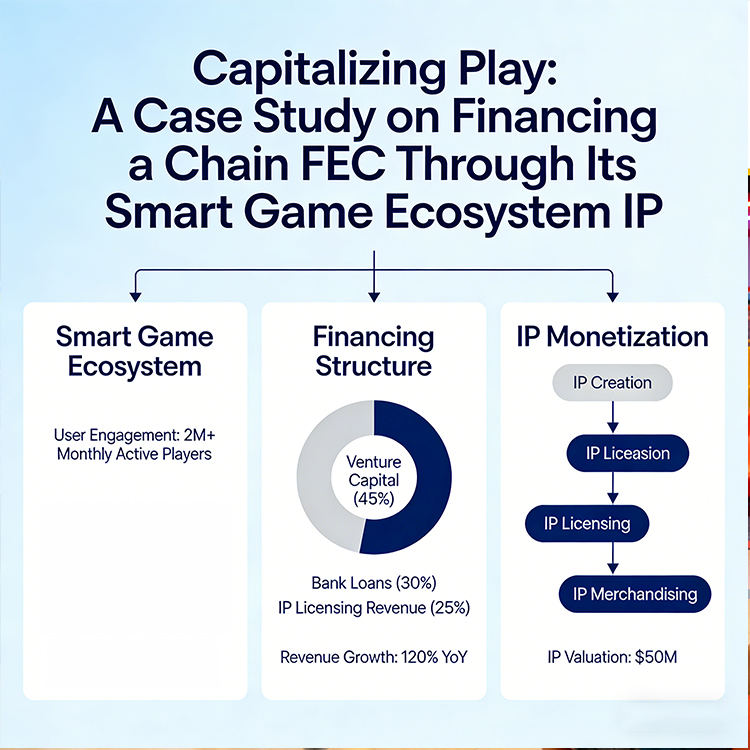
In a landmark move for the industry, a progressive Family Entertainment Center (FEC) chain recently secured significant growth financing not solely on its real estate or revenue, but by successfully arguing that its proprietary “Smart Game Ecosystem” constituted valuable, defensible Intellectual Property (IP). This case study reveals how the intelligent integration of indoor amusement equipment and data can transform physical assets into capitalizable innovation.
The Asset: Defining the “Smart Game Ecosystem” IP
The chain’s IP consisted of three interdependent layers:
The Integrated Hardware Network: A seamlessly connected fleet of ticket redemption game machine, prize game machine, and coin operated game machine from select OEM&ODM partners, all communicating on a unified software platform.
The Proprietary Data Engine: The software that collects, analyzes, and synthesizes gameplay data across all units in real-time, creating dynamic player profiles and predictive performance models.
The Operational Algorithms: The patented or trade-secret business logic—the “secret sauce”—that uses this data to automatically adjust game difficulty, trigger personalized promotions, and optimize floor layout for maximum yield.
The Valuation Argument: Beyond Physical Depreciation
Traditionally, amusement equipment is viewed as a depreciating physical asset. The chain’s financiers re-framed it:
Recurring Data Revenue Model: The ecosystem continuously generates high-value behavioral data, an asset that appreciates with scale and use, unlike the hardware itself.
Scalable Platform: The integrated system was a platform that could be licensed to other franchisees or regional partners, creating a new software-as-a-service (SaaS) revenue stream.
Competitive Moat: This deeply integrated ecosystem was difficult and expensive for competitors to replicate, securing long-term market advantage. This B2B operational advantage was deemed a core intangible asset.
Path to Financing: The Documentation Process
Success depended on meticulous documentation, a process we support for our B2B partners:
Technical Specifications & Integration Protocols: Detailed proof of the custom OEM&ODM work and proprietary interfaces that enabled machine-network integration.
Data Flow & Algorithmic Impact Maps: Clear diagrams showing how data from a redemption game machine influenced decisions on a prize game machine across the venue, demonstrating systemic intelligence.
Performance Benchmarks: Before-and-after data showing quantifiable lifts in player spend, retention, and operational efficiency attributable directly to the ecosystem.
Implication for the Industry
This case sets a precedent. It proves that for modern FECs, the greatest value may not be in owning indoor amusement equipment, but in owning the intelligent system that governs it. Partners who collaborate with manufacturers capable of supporting such deep OEM&ODM integration and data strategy are building not just venues, but technology platforms with defensible, financeable value.
(Conclusion)
The future of entertainment center valuation is intelligent. By architecting a connected, data-generating smart game ecosystem, forward-thinking operators can transform their coin operated game machine and redemption game fleets from cost centers into the cornerstone of their intellectual property portfolio and the key to unlocking strategic capital.








Add comment